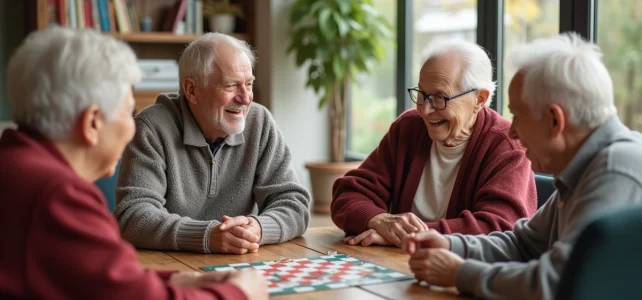
In France, nearly 900,000 elderly people live in social isolation according to the latest estimates from the Petits Frères des Pauvres. The loss of family or friendship ties, reduced mobility, and the digital divide are among the main aggravating factors.
Associative devices, digital platforms, and local support networks today offer tailored responses to promote inclusion and strengthen the sense of belonging. Initiatives for sharing and solidarity, accessible across the territory, demonstrate a measurable impact on the quality of life and mental health of seniors.
The isolation of seniors: understanding the causes and measuring the impact on health
The social withdrawal of seniors is not just a generational issue. It is an alarm signal for society as a whole, highlighted by increased life expectancy, loss of autonomy, or the emergence of diseases such as Alzheimer’s or Parkinson’s. For an elderly person, the distance from loved ones, grief, and mobility difficulties form a logical sequence; loneliness sets in, self-confidence wavers, and daily life closes in.
This withdrawal has direct consequences. Analyses show: the isolation of seniors accelerates depression, fosters anxiety, and hastens cognitive decline. Memory falters, mental health weakens, and physical health follows: the risks of chronic diseases or falls increase. Nearly 900,000 elderly people find themselves in this situation in France today.
The root of the problem is not solely found in the personal sphere. When transportation deserts rural areas, the digital divide widens, shops close, and the stigma of age-related disability persists, isolation takes hold. The shame of asking for help, rarely addressed, traps those who suffer in silence.
To break this cycle, some platforms like https://www.partage-senior.net/ create spaces where dialogue flows. Here, resources, testimonials, and advice can be found to maintain connections, even with a loss of autonomy. Sharing experiences and exchanging stories become powerful levers to prevent withdrawal and preserve quality of life.
What concrete solutions exist to recreate connections in daily life?
Reweaving the social bond for an elderly person is not a matter of waving a magic wand. It requires tailored actions, listening, and creativity. Social life resumes where opportunities to anchor it are offered, shared moments, and attentive support. The solutions for the isolation of seniors take many forms, to be adjusted according to each story.
Home care services pave the way: they allow for aging in place while providing a warm presence. Beyond care or practical help, there is room for companionship: reading, walking, games, shared meals. Support adapts to the pace and desires of each individual, far from impersonal formulas.
Digital solutions are gradually taking hold. Platforms and applications open up new windows: video conferencing, remote workshops, discussion and support groups. Far from being reserved for younger generations, these solutions offer seniors, even those with reduced mobility, the chance to reconnect with others and regain regular interaction.
Here are some examples of concrete initiatives that facilitate daily life:
- Access to a dedicated helpline for seniors
- Organization of local social and cultural activities
- Information on financial aids such as the personalized autonomy allowance (APA)
The goal? To encourage sharing, reciprocity, and the feeling of still being fully part of society. The best solutions are those that respect the diversity of experiences and adapt to each situation. Collective actions and on-the-ground support shape a more open society, where breaking isolation becomes everyone’s business.
When local support and solidarity change the lives of seniors
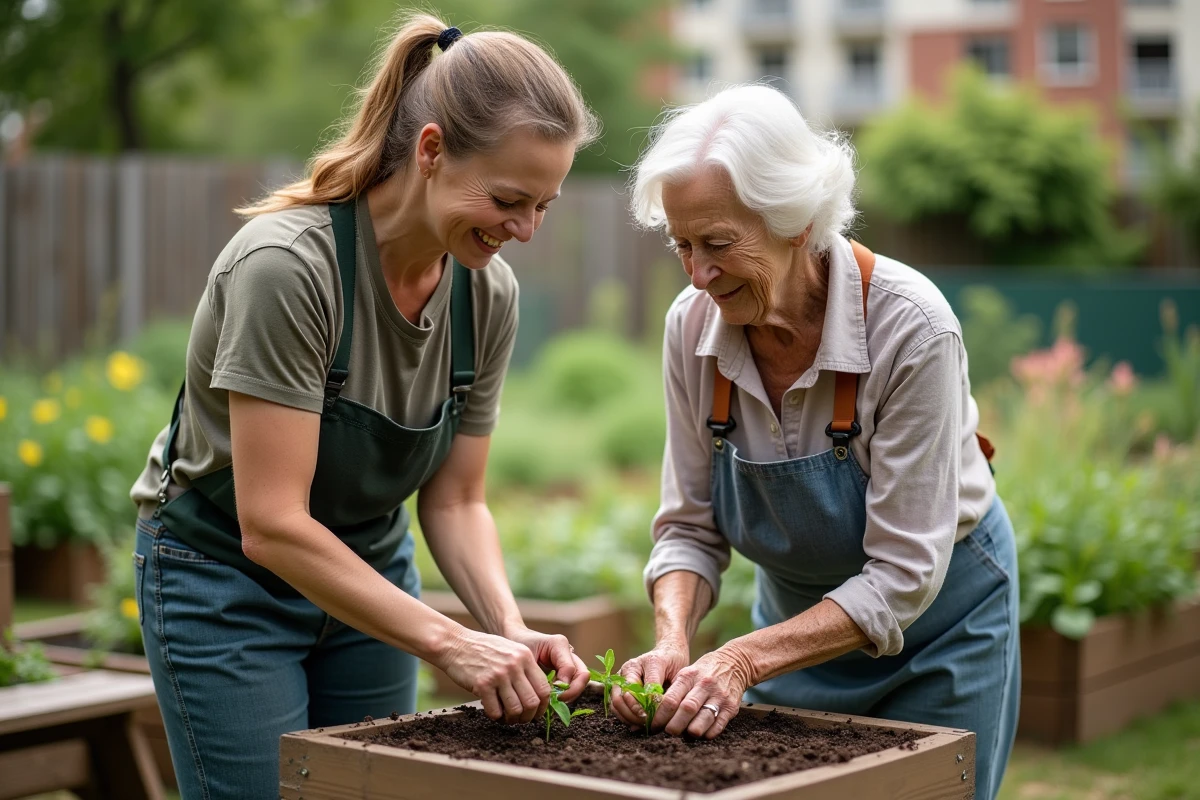
Where anonymity threatens, local solidarity takes over. The support networks established by residents, associations, and public services weave a protective net. The communal social action centers (CCAS) and departmental reception points (CDAS) are often the first point of contact: they identify isolation, mobilize volunteers, and organize visits, workshops, and collective moments. Thanks to this local dynamic, routine is broken, trust returns, and daily life transforms.
Support does not stop at mere presence. It is about giving the elderly person a full and complete place. A walk, a reading session, a cooking workshop, a helping hand with administrative procedures, or even a phone call—these gestures can make all the difference. Family caregivers also find some respite, supported by the help and encouragement of these initiatives.
Among the initiatives that make a difference, we find:
- Creation of intergenerational pairs
- Weekly activity groups
- Shared meals in neighborhoods
The proximity and agility of these actions are their strength. Thanks to everyone’s involvement, the social bond is recreated. Regaining the feeling of usefulness, seeing life regain its color—that is where isolation truly recedes for good.