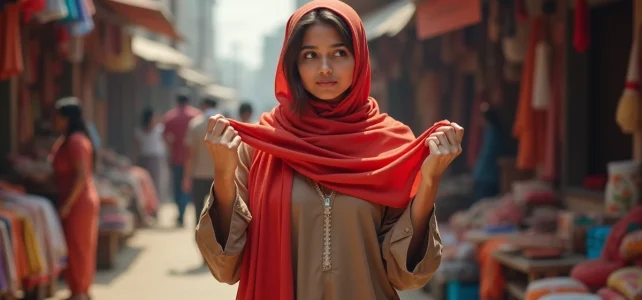
Wearing green in certain regions of India can be perceived as a religious statement. White, the color of mourning in Hindu tradition, is discouraged during festivals or weddings. Black, associated with bad luck, is rarely chosen for major occasions.
Clothing choices vary greatly depending on regions, contexts, and communities. Adopting inappropriate colors can lead to misunderstandings or even inadvertently offend the locals. Taking these specifics into account helps avoid cultural faux pas and allows for a serene travel experience.
Understanding the Importance of Colors in Indian Culture
In India, each color tells a story. Here, color is not limited to aesthetic preference: it expresses belief, belonging, or transgression. Red, a symbol of marriage, evokes passion and fertility. Orange, the color of Hindu monks, embodies spirituality and commitment to the path of renunciation. Yellow, associated with wisdom and prosperity, highlights the influence of the god Vishnu. Everywhere, on walls, in temples, at the heart of festivals, these colors punctuate daily life.
White, a sign of peace and purity, takes on a completely different meaning during funerals, marking mourning. Blue, the color of Krishna, inspires trust and spirituality. Green, linked to nature and harmony, is displayed during festivities. Black, on the other hand, is divisive: perceived as protection against the evil eye in some contexts, it remains associated with black magic in others. This duality is the subject of much debate and questioning about the color to avoid wearing in India according to Voyage Slouk, a topic that intrigues many travelers attentive to local customs.
The cultural diversity of India calls for vigilance. Depending on the region, the event, or the community, clothing becomes a marker of respect or, conversely, misunderstanding. During the Holi festival, colors explode as a sign of joy. But during a wedding, white disappears to make way for red, the color of union. Observe what is worn, ask people on-site, draw inspiration from regional habits: these precautions help avoid unnecessary discomfort.
Which Colors to Avoid to Prevent Faux Pas During Your Stay?
Traveling in India means navigating a terrain where colors draw the line between respect and awkwardness. Customs are not mere folklore; they contribute to a plural local culture, shaped by centuries of traditions. For travelers, understanding the dressing codes becomes a necessary step, especially during a first visit.
Three colors deserve special attention if one wishes to avoid misunderstandings:
- Black: in many rural regions, this shade is still associated with black magic. It evokes mistrust, sometimes discomfort. Opt for sober or bright colors depending on the context, but avoid black when visiting villages or attending family events.
- White: a symbol of mourning. White is worn during funerals, embodying loss and non-violence. Avoid it during festivals, ceremonies, or weddings, lest you offend the hosts’ sensitivities.
- Red: the color of love and fertility, red is reserved for weddings. For Indian women, it embodies the sacred union. Wearing red on another occasion can lead to confusion or misunderstanding.
Tolerated shades vary by region and community. In the north, the clothing palette differs from that of the south. To avoid any blunders, observe the locally worn outfits, ask your interlocutors, and adapt your wardrobe at each stage of your journey. The Indian codes prioritize harmony and modesty: long sleeves, covered legs, loose fabrics.
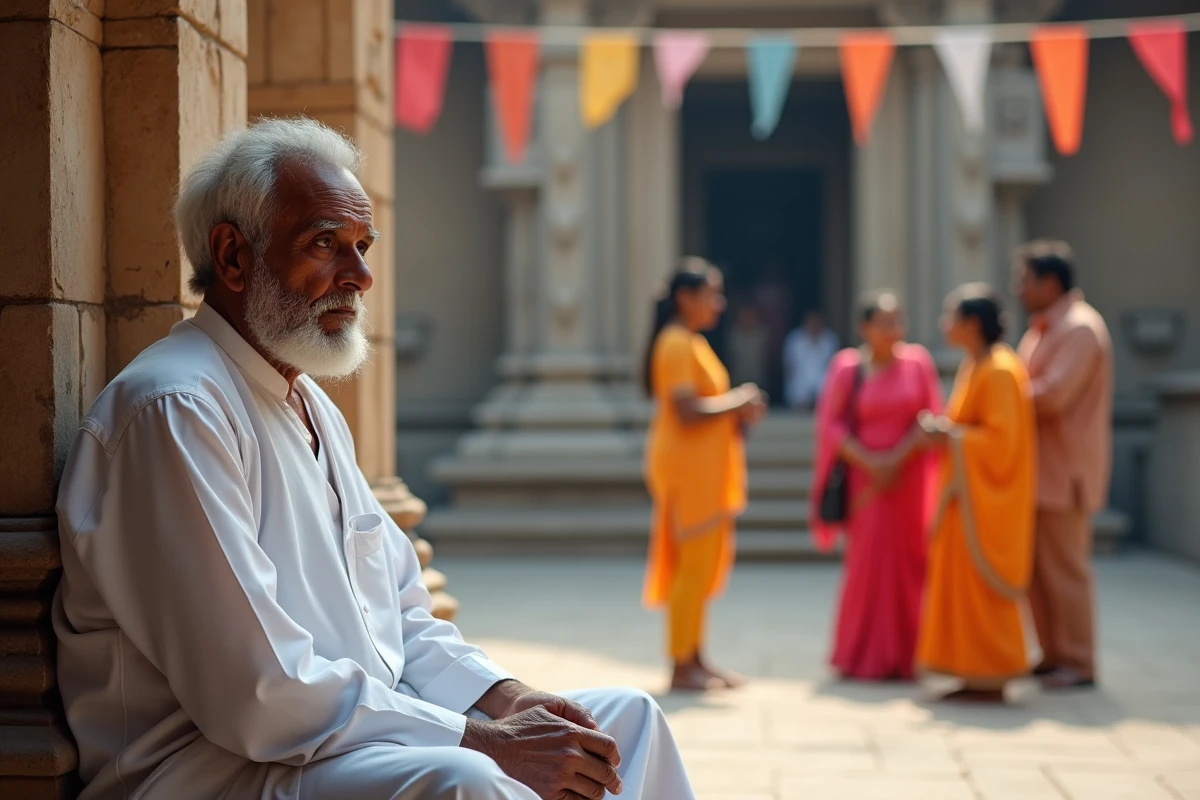
Practical Tips for Choosing Clothing According to Region, Climate, and Local Customs
From the deserts of Rajasthan to the forests of Kerala, India presents a multitude of landscapes and climates. This diversity is felt even in clothing: in the north, the kurta and dhoti for men, the sari or salwar kameez for women. In the south, cuts become lighter, and colors become brighter to face heat and humidity. Here, the climate guides the choice: cotton, linen, and natural materials that allow the skin to breathe are preferred. During the monsoon, opting for fabrics that dry quickly proves wise, while cooler weather invites layering.
The cut and color reflect respect for local customs. In some temples, covering shoulders and legs is required. A scarf tucked in your bag can be used to cover your head, especially in sacred places. Women often use the dupatta, a veil for the chest or hair, as a gesture of respect and tradition. Men also cover their heads in gurdwaras or mosques.
To adapt without making a faux pas, a few guidelines can help clarify:
- Avoid white during festivities; reserve it for mourning contexts.
- Avoid red outside of weddings, where it retains strong symbolic significance.
- Prefer sober colors in rural areas or during religious ceremonies.
- Adapt to local customs: observe, ask questions, adjust your wardrobe as you travel.
The season influences the material, the region guides the cut, and culture shapes the palette. Traveling in India means being flexible and attentive, combining comfort, respect, and a sense of observation. A detail in clothing, a choice of color, and the dialogue opens or closes. Here, attire sometimes speaks volumes more than the monk.