Part-time work, domestic responsibilities and algorithmic bias never make it into trend roundups. Yet these are the factors that shape women’s everyday lives long before they choose a coat cut or seasonal color palette. Analyzing the trends that matter means bringing together fashion, economic data and technological change.
Part-time work and mental load: the data shaping women’s everyday lives
Women account for 76.4% of part-time employees in 2025, according to Insee. This imbalance is not a lifestyle choice: it reduces earnings, pension entitlements and access to positions of responsibility.
The gap widens further with parenthood. Insee finds that the employment rate of mothers in larger families with a child under three remains significantly lower than that of fathers in the same situation. Motherhood acts as a structural barrier that neither childcare services nor remote work can fully offset.
Remote work, for its part, has not redistributed domestic tasks. According to Insee, it makes it easier to balance personal and professional life, but does not lead to a fairer division of domestic work, except among couples with young children. Lifestyle content often presents working remotely as liberating. In practice, women who work from home take on more invisible labor—school logistics, shopping and medical appointments—than their partners.
These workplace realities, rarely discussed in Mam’Zell Plume’s news coverage, influence consumer choices, style and lifestyle far more than inspirational sections suggest.

Secondhand and responsible fashion: a lasting trend or a rebound effect?
The enthusiasm for secondhand clothing has moved beyond niche status. An ADEME study published in June 2025 found that 42% of French respondents had bought at least one secondhand garment in the previous twelve months. The habit is taking hold, driven by resale platforms and the rise of vintage style in fall-winter trends.
The question that remains is whether there is a rebound effect. An analysis published by La Vie in October 2026 notes that secondhand shopping is growing, while raising questions about its actual environmental impact. Lower prices can encourage people to buy more, canceling out the initial environmental benefit.
What makes a secondhand purchase genuinely sustainable?
- Replace a new purchase with a secondhand one rather than adding another item to an already full wardrobe
- Choose durable fabrics (wool, linen, heavyweight cotton) that can withstand repeated wear and care
- Check the seams, fastenings and linings before buying, since a poorly inspected secondhand garment may end up in the trash
- Resell or donate unwanted items instead of storing them, keeping the cycle moving
Style is about more than following seasonal fashion trends. Making secondhand shopping part of your routine calls for a closer eye on fabrics, cuts and garment longevity—a skill that mainstream magazines are only just beginning to value.
Artificial intelligence and women: a blind spot in tech
Artificial intelligence tools are transforming product recommendations, content creation and career management. Yet women are underrepresented at every level. Women make up a minority of the teams that design algorithms, leading to biased results: stereotypical fashion recommendations, female-voiced assistants by default and ads targeted according to gendered patterns.
This imbalance has tangible effects on everyday life. Recruitment algorithms trained on historical data dominated by male profiles may disadvantage female applicants. E-commerce personalization tools reproduce rigid categories (dresses, makeup, childcare) instead of offering selections based on people’s actual tastes.
What this means for consumers
AI-generated style recommendations are not neutral. They reflect the data they were trained on. Women looking for technical clothing or accessories outside traditional norms may find themselves faced with formulaic suggestions.
We see that brands involving diverse teams in the design of their recommendation tools offer catalogs better suited to a wider range of lifestyles. Diversity from the outset is not a marketing claim; it is a factor in product relevance.
Menopause and working life: a taboo losing ground
Menopause symptoms—including sleep problems, hot flashes and chronic fatigue—directly affect productivity and well-being at work.
This subject, long absent from workplace conversations and women’s media, is beginning to come to the fore. In France, announced measures aim to establish medical and workplace support that was previously unavailable.
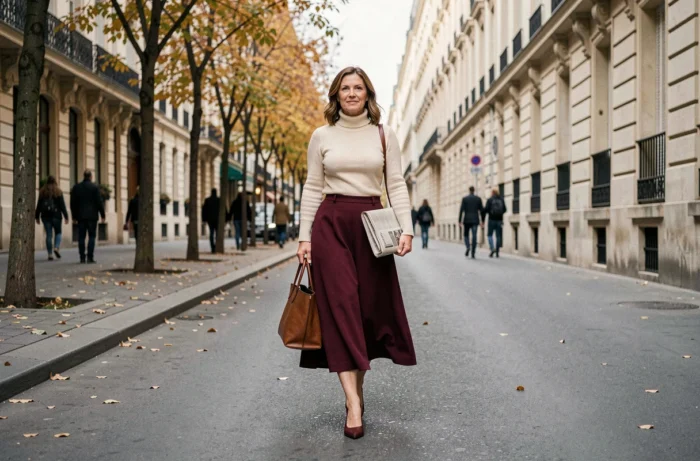
The connection to everyday trends is direct. Clothing choices—thermoregulating fabrics and non-restrictive cuts—as well as skincare routines and the organization of the workday all adapt to this physiological reality. Fashion and well-being become more relevant when they account for these practical constraints instead of ignoring them.
The trends that truly shape women’s everyday lives go far beyond spring-summer runways or recycled style tips from one season to the next. Involuntary part-time work, the rebound effect of secondhand shopping, algorithmic bias and managing menopause at work paint a far more consequential picture. A media outlet that claims to support modern women should cover these topics with the same rigor as a feature on the season’s black coats.